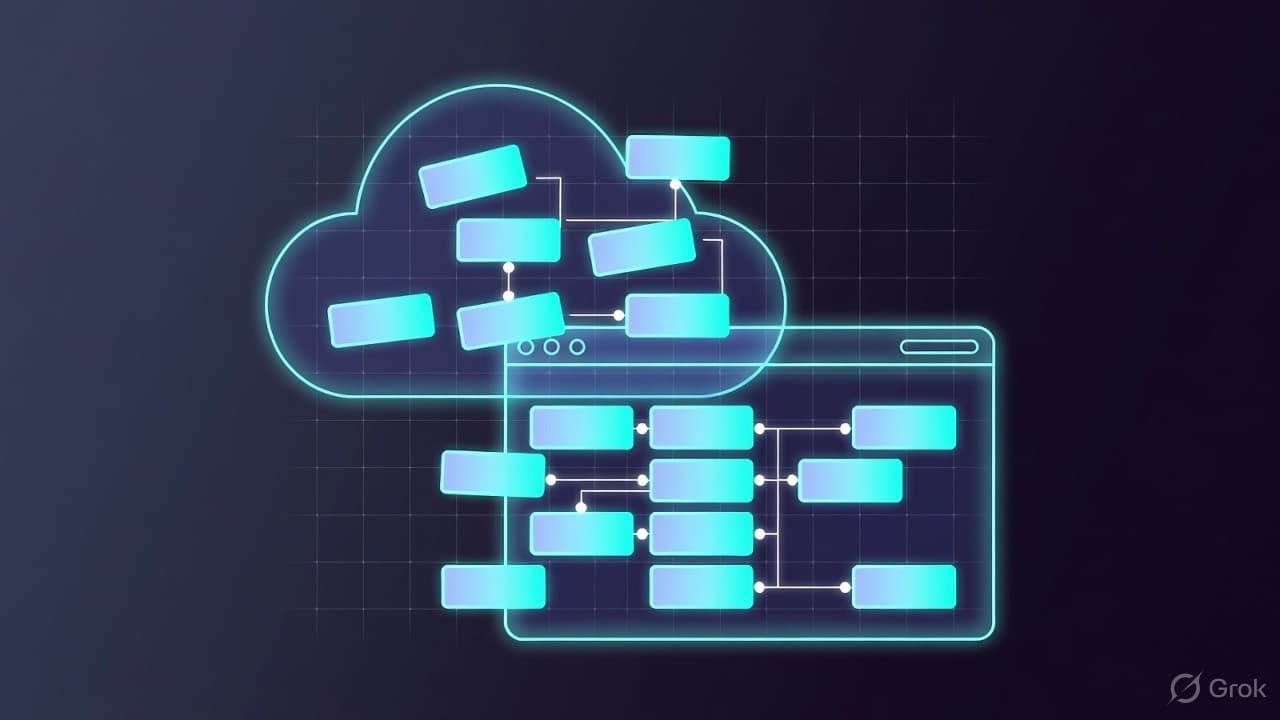
Platform engineering means building a "paved road" for developers (project templates, CI/CD, environments, observability and deployment) so shipping software is fast, safe and consistent without everyone reinventing the setup. At large companies that's an internal platform team. At a small agency or startup, the same idea, applied lightly, saves days on every project.
Why it matters more with AI tools
AI coding agents can produce code quickly. Without a paved road (tests, linting, preview environments, automated deploys), that speed just produces more broken code faster. Good developer experience is what turns AI-generated changes into safely shipped features.
The lightweight version for small teams
You don't need Kubernetes and a portal. You need:
- A project template: a starter repo with your framework, linting, formatting, testing, environment-variable handling and a README that actually works.
- CI on every pull request: install, type-check, lint, test and build. Fail fast.
- Preview deployments: every pull request gets its own URL, so clients and teammates can click through changes.
- One-command local setup:
npm install && npm run devshould be all it takes. - Automated production deploys from the main branch, with easy rollbacks.
- Basic observability: error tracking, uptime checks and logs you can search.
- Secrets management: never in the repo, and rotated when people leave.
Measuring developer experience
Track a few simple numbers: time from "new project" to first deploy, time from merge to production, and how often deployments fail. If those improve, your platform is working.
How we work
At NextGen Fusion, our web and software development company in Lucknow, every project starts from a tested template with CI, preview deployments and automated releases. Clients see working previews from day one, and handover is clean because everything is documented and automated.