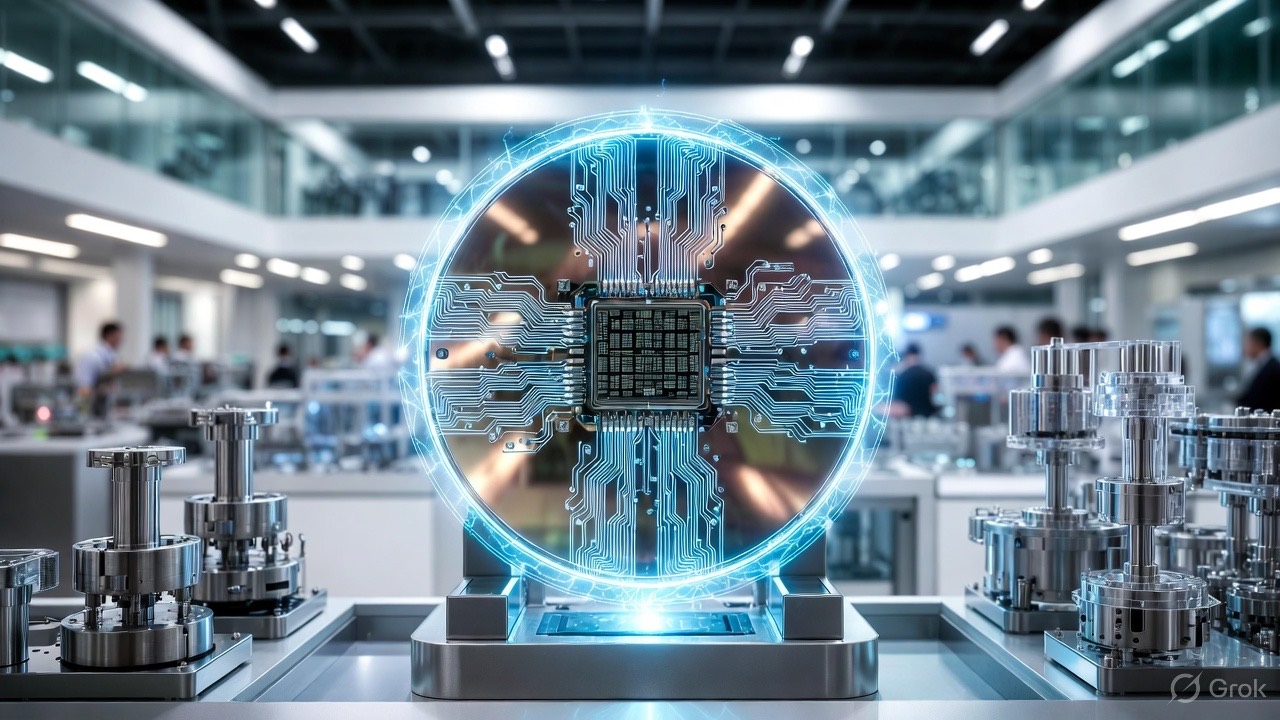
SEMICON West 2026, the chip industry's biggest North American event, runs October 13–15 at the Moscone Center in San Francisco, framed around one milestone: the semiconductor industry passing $1 trillion in annual revenue, which SEMI says has happened almost four years ahead of earlier projections.
What's on the agenda
Under the theme "Transform Tomorrow", the program covers the road from $1 trillion to $2 trillion:
- Advanced manufacturing: smaller nodes, new packaging and smarter factories.
- AI and next-generation computing: the demand driver behind almost every number this year.
- Supply chain resilience: spreading production across more countries, including India.
- Sustainability and workforce: power, water, emissions, and the shortage of trained engineers.
There are CEO keynotes plus focused forums on design, cybersecurity, smart manufacturing, smart mobility and sustainability.
Why $1 trillion matters beyond chips
Chips used to be a cyclical business tied to PCs and phones. Hitting $1 trillion years early tells you AI has changed that: data centres are now the biggest buyer. For software, that has three effects:
- AI becomes a utility. As capacity grows, AI APIs get cheaper and faster, the same way cloud hosting did a decade ago.
- Every software product gets an AI layer. Customers will expect search that understands them, support that answers instantly, and content that adapts.
- India is in the story. With fabs and packaging plants coming up in Gujarat and Assam, India is becoming part of the hardware supply chain, not just the software one.
What I'm telling clients
Don't wait for AI to "settle down". It won't, and costs only move one way. Start small: one AI feature that saves your team real time, built so the model behind it can be swapped as better and cheaper options arrive.
At NextGen Fusion, our software and AI development company in Lucknow, that's how we scope AI work: one useful feature first, measured, then expanded.