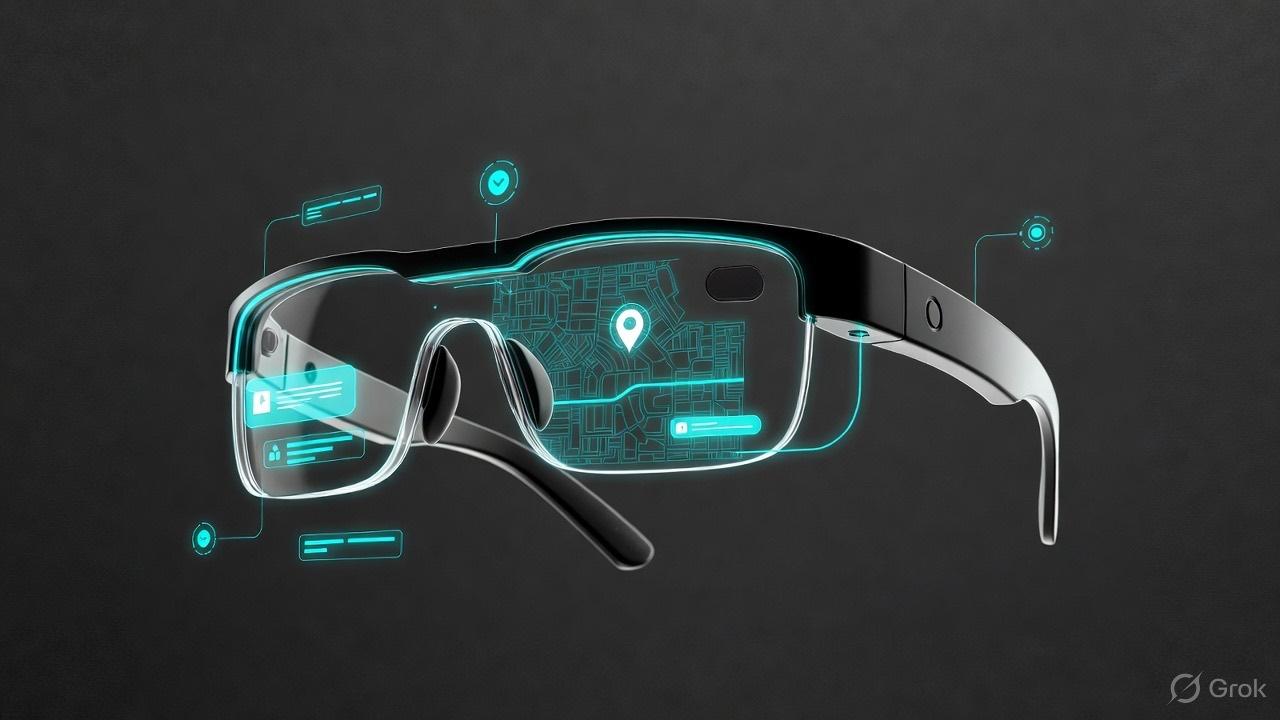
Apple's first smart glasses, reportedly codenamed N50, have slipped to a launch around the end of 2027, according to Bloomberg's Mark Gurman, which could push wider availability into 2028. Earlier reports had pointed to a late-2026 reveal. Nothing is confirmed by Apple, and the timeline has shifted several times.
What's rumoured
- Camera glasses first, not full AR: earlier reports described cameras and audio with Siri and gestures, but no display. Think Meta's Ray-Ban glasses, rather than a Vision Pro on your face.
- Fashion focus: multiple frame styles and colours, and oval-shaped cameras.
- Longer-term ambitions include health features and eventually true AR.
- Mac-tethered AR glasses were reportedly cancelled earlier in 2026, while standalone AR remains a long-term goal.
Why the delay matters
Meta has a head start with its smart glasses, and Google and others are pushing Android XR. Apple typically arrives later with a more polished product, but each delay gives competitors time to shape what people expect from the category.
What smart glasses mean for apps and websites
- Voice and visual queries grow: "What is this?" and "Where can I buy this?" asked through glasses. Your product information needs to be findable and structured.
- Local businesses benefit from complete, accurate Google Business Profiles and structured data, since glasses answer "near me" questions.
- Short, glanceable content wins: clear answers, not long pages.
- Assistant-driven actions: booking, ordering and directions triggered by voice.
None of that requires building for glasses today. It requires a website that AI assistants can read and trust. See my GEO guide.
Assistant-ready websites
At NextGen Fusion, our web development company in Lucknow, we build fast, structured websites that work for search engines, AI assistants, and whatever device comes next.